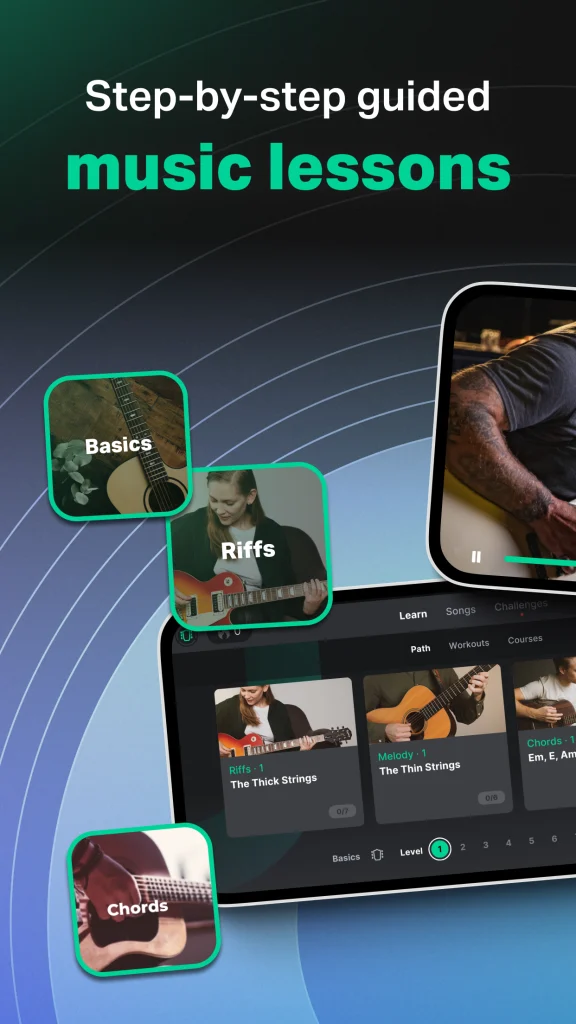
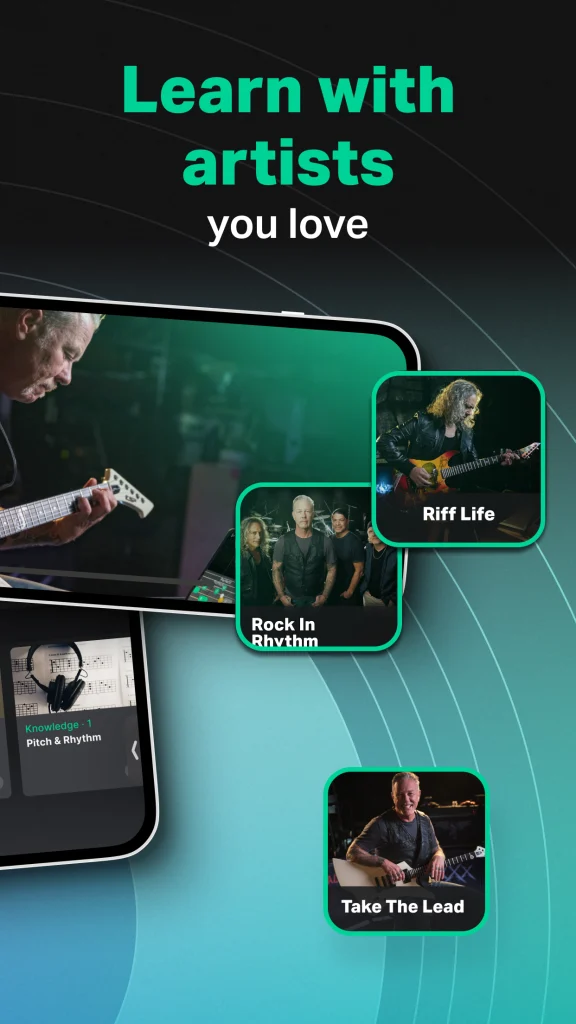
Learning a musical instrument can feel difficult when you do not know what to practise, how to correct mistakes or whether you are making progress. The Yousician Premium APK offers a more guided way to learn by turning practice into short interactive lessons that respond to your playing.
Instead of relying entirely on video tutorials or written instructions, learners can follow exercises, play along with songs and receive feedback as they practise.
For beginners who want to learn music at home, this approach can make practice easier to organise. However, the experience depends on the instrument you choose, your learning goals and how consistently you use the app.
How Yousician Makes Music Practice More Interactive
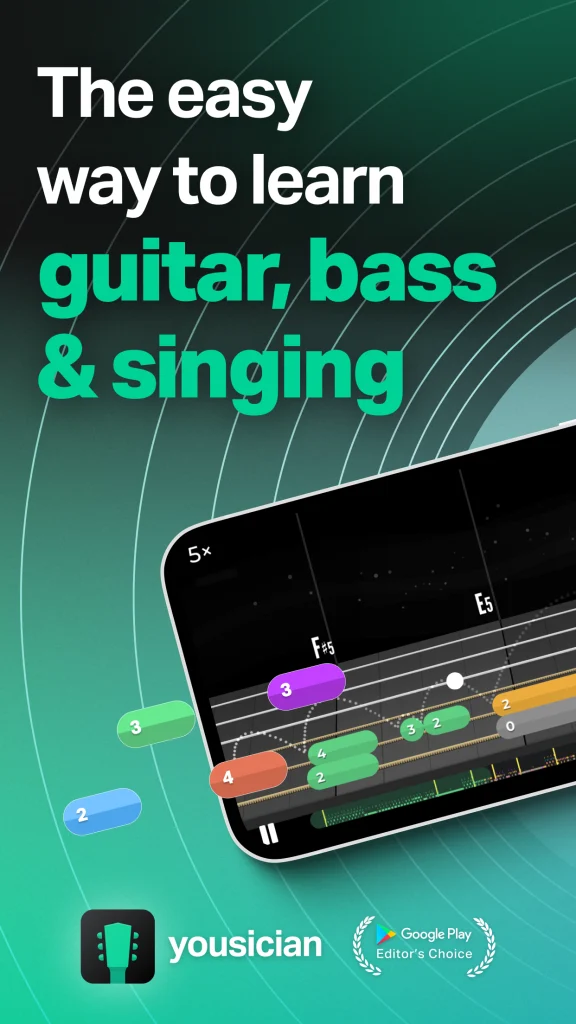
Yousician is a music-learning app designed to help people develop skills through guided lessons and practical exercises. It supports instruments such as guitar, piano, ukulele and bass, along with singing lessons. Availability and specific features can vary by platform and subscription plan.
The main idea is simple: follow a lesson, play the notes or chords shown on the screen and receive feedback based on what the app detects. This creates a more active learning experience than watching someone demonstrate a song without playing along yourself.
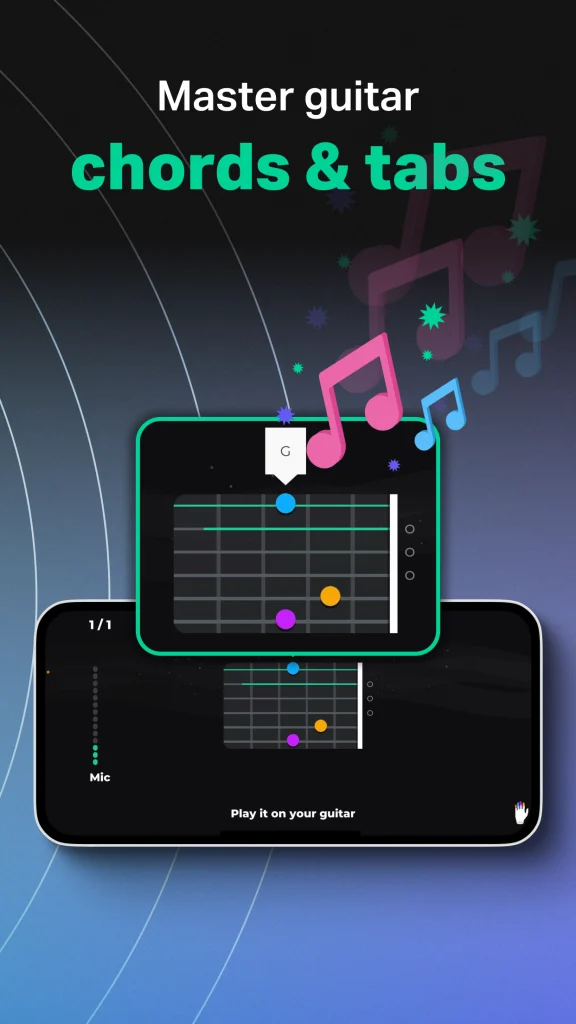
A beginner learning guitar, for instance, can work on basic chords before moving towards rhythm exercises and songs. Someone learning piano can practise note recognition, timing and coordination. The app breaks larger learning goals into smaller tasks, helping users focus on one skill at a time.
What Can You Learn With the Yousician App?
The learning experience changes according to the instrument and your current ability. Beginners can start with fundamental techniques while more experienced musicians can use structured exercises to improve particular skills.
Guitar, bass and ukulele lessons
Guitar lessons can introduce string names, chord shapes, strumming patterns and picking techniques. Bass lessons focus on playing individual notes, maintaining rhythm and developing control across the fretboard. Ukulele exercises help learners build chord familiarity and practise simple song patterns.
These instruments have different techniques, so choosing the correct learning path matters. A guitar player should not assume that progress in one instrument automatically translates into proficiency with another.
Piano lessons and singing practice
Piano learners can work on note reading, hand coordination, timing and playing melodies. Singing lessons focus on pitch accuracy and vocal exercises, allowing learners to practise matching notes and improving control.
The feedback system can help identify mistakes that might otherwise go unnoticed during independent practice. Still, an app cannot fully replace a qualified teacher who can assess posture, hand tension, breathing habits or other physical techniques in detail.
How the App Gives Feedback While You Play
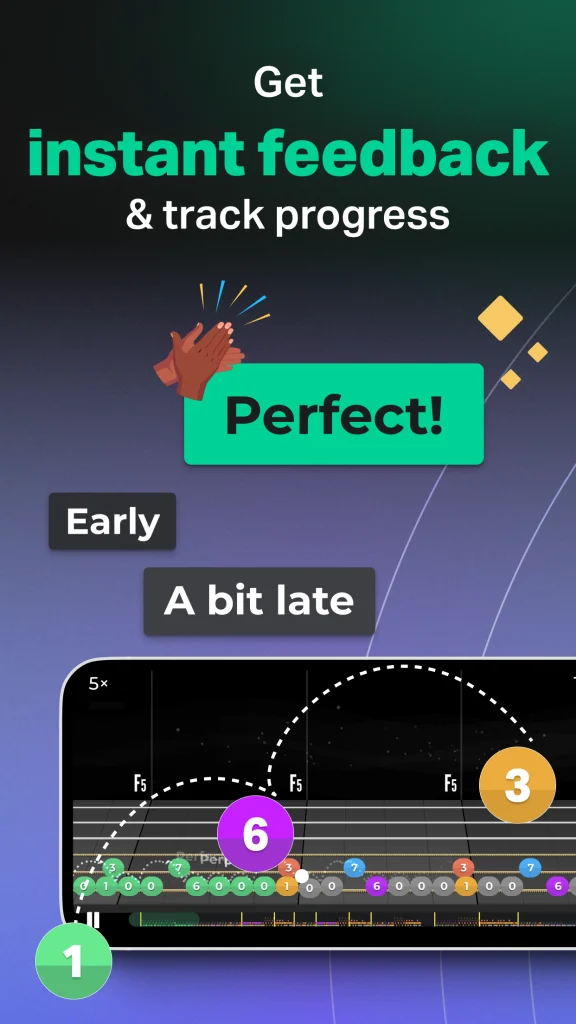
One of the most useful parts of Yousician is its ability to listen to your performance and respond to the notes or timing it detects. Depending on the lesson and instrument, the app displays musical instructions and evaluates your playing as you follow along.
This can help you recognise whether you are playing the correct notes and keeping pace with an exercise. Instead of finishing an entire song before discovering a mistake, you can often identify problems during the practice session.
Your setup can affect how well this works. Background noise, poor microphone placement or an instrument that is difficult for the device to detect may affect feedback accuracy. Piano and other digital-instrument setups can also differ depending on the device and connection method.
For better results, practise somewhere relatively quiet, position your device appropriately and slow down when an exercise becomes difficult. Accuracy matters more than rushing through a lesson to earn a higher score.
Is Yousician Premium APK Suitable for Complete Beginners?
Yes, the Yousician app can be a useful starting point for people who have never played an instrument. Its guided lessons reduce the need to decide independently what to learn first, which can be especially helpful when musical terminology feels unfamiliar.
New learners can begin with basic exercises, repeat challenging sections and gradually work towards more demanding material. Short practice sessions may also be easier to maintain than occasional sessions lasting an hour or more.
However, beginners should avoid treating every score as a measure of musical ability. Playing the correct notes is only one part of learning music. Expression, tone, rhythm, listening skills and relaxed technique also matter.
A sensible routine is to spend a few minutes reviewing an earlier lesson, work on one new skill and finish by practising something enjoyable. This balances structured learning with the motivation that comes from making music.
Free Access, Paid Plans and Subscription Considerations
Yousician offers limited free access and paid subscription options. The exact lesson limits, available features, prices and subscription terms can change by country, platform and offer.
Before paying, check the current plan details on the official Yousician website or in your device’s app store. Confirm whether the subscription includes the instrument you want to learn, whether access is individual or shared and how billing and cancellation work.
A paid plan may make sense if you intend to practise regularly and want access to more lessons or songs. If you are still deciding whether to learn guitar or piano, start with the available free experience before committing to a longer subscription.
Also check whether a trial automatically converts into a paid subscription. Understanding the renewal date and cancellation process can help prevent unexpected charges.
Yousician Compared With Traditional Music Lessons
Yousician and a human music teacher serve different purposes. The app provides structured practice, immediate feedback and the convenience of learning on your own schedule. Traditional lessons offer personal guidance, individual corrections and opportunities to ask questions about technique or musical interpretation.
For someone with a busy schedule, an app can make daily practice more manageable. A teacher may be a better choice if you struggle with persistent technical problems, need accountability or want to prepare for formal music examinations.
You do not necessarily have to choose only one. Using Yousician between lessons can provide extra practice while a teacher helps correct habits and develops your broader musical understanding.
Common Mistakes to Avoid When Learning With Yousician
Progress depends on how you practise, not simply how many lessons you complete. Keep these points in mind:
- Playing too quickly: Reduce the pace when you repeatedly miss notes. Build accuracy before increasing speed.
- Ignoring technique: Pay attention to posture, finger placement and unnecessary tension, even when the app recognises your notes correctly.
- Skipping difficult exercises: Repeat challenging sections rather than moving forward just to complete a lesson.
- Practising without a clear goal: Choose one target for each session, such as changing chords smoothly or keeping a steady rhythm.
- Relying only on scores: Listen carefully to your sound and focus on musical control instead of chasing points.
These habits can make practice more useful and help you recognise progress beyond the app’s feedback. You can also download the Sony YAY APK.
Should You Try Yousician?
The Yousician Premium APK is worth considering if you want guided music lessons, interactive exercises and a flexible way to practise at home. It is particularly suitable for beginners who benefit from clear instructions and immediate feedback, as well as self-directed learners who prefer a structured routine.
Its limitations matter too. Feedback depends on the quality of sound detection, subscription access may restrict some content and automated lessons cannot provide every kind of personal correction.
Before choosing a paid plan, try the available lessons with your preferred instrument and check whether the teaching style suits you. If you enjoy the practice process and can maintain a regular routine, Yousician can become a useful part of your music-learning journey.


